
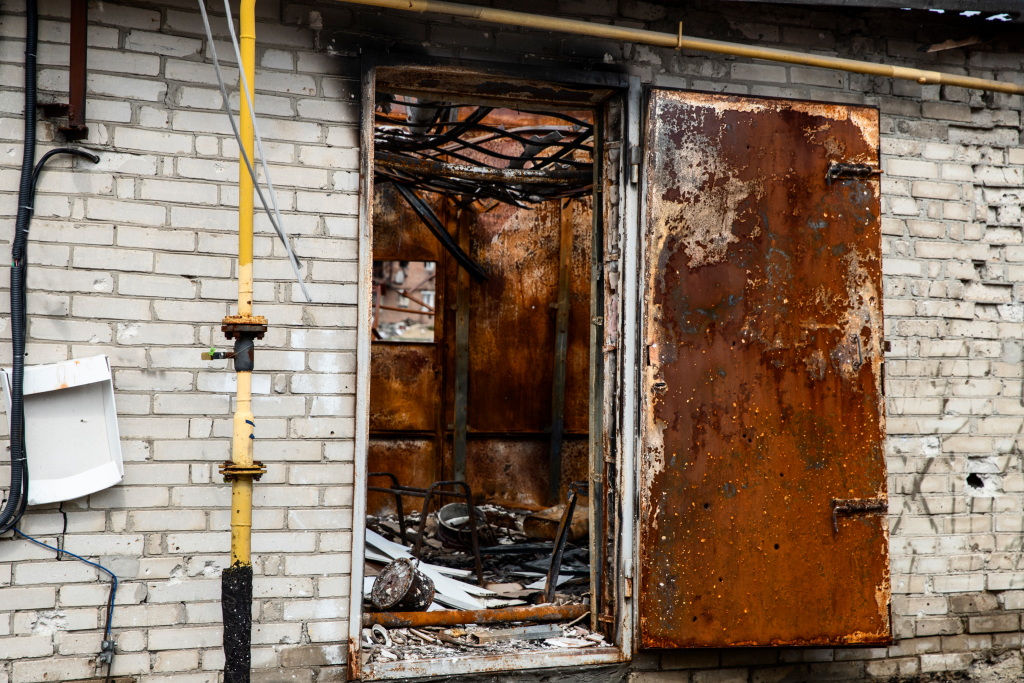
Understanding Fire Restoration Damage
Fire restoration damage involves several layers of destruction. Flames may burn framing, drywall, and roofing materials. Smoke travels far beyond the source of the fire, settling into carpets, insulation, and ductwork. Soot leaves acidic residue that stains surfaces and corrodes metal. Water from firefighting efforts can soak structural materials and create conditions for mold growth.
Many property owners assume that once the flames are out, the worst is over. In reality, fire restoration damage continues even after the fire is extinguished. Smoke odor lingers. Moisture spreads. Structural components may weaken over time. That is why a structured plan to fire damage restore a property is essential.
Proper evaluation determines how deep the damage goes. Without a thorough inspection, hidden contamination can remain and cause long-term issues.
What to Do After Fire Damage
Knowing what to do after fire damage can reduce stress and limit further loss. The first step is to wait for fire officials to confirm that the property is safe to enter. Structural instability and lingering heat can pose serious risks.
Once cleared, document everything. Take photos and videos of visible damage. This documentation supports your insurance claim and creates a record of the property’s condition. Contact your insurance carrier promptly to begin the claims process.
Next, call a team trained in professional fire damage restoration. Quick action is critical. The longer soot and smoke remain on surfaces, the harder they are to remove. Water from firefighting efforts can also seep into subfloors and wall cavities, increasing the risk of mold. In some cases, you may also require a water damage restoration service to properly dry affected areas and prevent secondary damage.
Avoid attempting deep cleaning yourself. Household cleaners can smear soot and make stains permanent. Smoke particles are harmful when inhaled, and protective equipment is necessary during cleanup.
The Fire Damage Restoration Process Explained
The fire damage restoration process explained clearly involves a sequence of steps designed to restore safety and structure. Each phase builds on the one before it. Skipping steps can lead to ongoing problems.
The process begins with a detailed inspection. We assess structural integrity, electrical systems, and HVAC contamination. We identify how far smoke has traveled and measure moisture levels in building materials. This evaluation forms the foundation of the restoration plan.
The next step is securing the property. If windows, doors, or roofing systems are damaged, we board up openings and install temporary coverings. This prevents further exposure to weather or vandalism. Similar protective measures are used during storm damage restoration when buildings are exposed to the elements.
Water extraction follows. Even small fires often involve significant water use. We remove standing water and use industrial drying equipment to reduce moisture in walls, floors, and ceilings. This step is vital in preventing mold growth and may overlap with mold remediation services if microbial growth has already begun.
Smoke and Soot Removal
Smoke and soot removal is one of the most critical aspects of fire restoration damage. Soot is acidic and can cause permanent discoloration if not treated properly. It also corrodes metal and damages electronics.
We use specialized cleaning methods based on the type of soot present. Dry sponges lift residue from walls and ceilings. HEPA vacuums capture fine particles without spreading contamination. Air scrubbers filter airborne particles and improve indoor air quality.
Smoke odor removal requires more than surface cleaning. Odor particles embed into porous materials such as upholstery and insulation. Advanced techniques such as thermal fogging and air purification systems break down odor molecules rather than masking them. This stage is essential for anyone seeking professional fire damage restoration that truly restores indoor air quality.
Structural Repairs and Rebuilding
After cleaning is complete, the rebuilding phase begins. Fire can weaken framing, crack foundations, and compromise roofing systems. Structural repairs ensure that the property is safe and stable before cosmetic work begins.
We remove and replace damaged drywall, insulation, and flooring. In some cases, sections of framing must be reinforced or rebuilt. Electrical systems are inspected and repaired to meet safety standards. This phase allows us to fully fire damage and restore the property to its original function and appearance.
For property owners managing multiple buildings or large facilities, this work often aligns with broader restoration services that address both fire and related damage. Whether residential or commercial, the goal remains the same, restore strength, safety, and usability.
Cleaning and Restoring Personal Belongings
Personal belongings often carry emotional and financial value. Furniture, clothing, electronics, and documents may appear ruined but can sometimes be restored.
We evaluate each item individually. Specialized cleaning techniques remove soot from fabrics and hard surfaces. Electronics undergo careful inspection and cleaning to reduce corrosion. Documents and photographs may be dried and treated to prevent further deterioration.
For businesses, salvaging equipment and inventory is critical. Commercial restoration services focus on reducing downtime and preserving assets. In retail spaces, offices, and multi-unit properties, quick recovery supports business continuity.
Commercial Fire Restoration Considerations
Fire in a commercial setting affects employees, customers, and revenue. Commercial fire damage restoration requires organized planning and efficient execution.
We assess building safety, remove debris, and restore critical systems such as HVAC and electrical components. Smoke and soot removal must meet health and safety standards, especially in spaces open to the public.
When sprinkler systems activate, properties may also require commercial water damage restoration to address excess moisture. Businesses often need a coordinated effort that combines cleaning, drying, repairs, and regulatory compliance. The objective is to reduce downtime and restore operations as quickly as possible.
Educational institutions also face unique challenges. School restoration projects prioritize student safety and minimal disruption to learning. Rapid recovery allows staff and students to return to a clean and safe environment.
Preventing Secondary Damage
Secondary damage can occur days or weeks after a fire. Moisture trapped in walls can lead to mold growth. Corrosion can weaken metal components. Lingering smoke residue can continue to affect air quality.
Addressing fire restoration damage promptly reduces these risks. Professional fire damage restoration includes moisture monitoring, air quality checks, and follow-up inspections to confirm that the property remains safe. Preventative measures save property owners from costly repairs in the future.
How to Restore Fire-Damaged Property Safely
If you are wondering how to restore fire-damaged property safely, the answer lies in structure and patience. Restoration is not a single task. It is a sequence of coordinated actions.
Begin with a thorough inspection. Secure the building. Remove water. Clean smoke and soot. Repair structural components. Eliminate odors. Confirm air quality. Each step supports the next.
Attempting to fire damage and restore a property without proper equipment or training increases risk. Professional fire damage restoration ensures that hidden contamination is removed and that the structure meets safety standards before reoccupation.
Fire Restoration Damage and Health Concerns
Fire restoration damage can impact health long after visible debris is removed. Smoke particles may irritate lungs and skin. Soot contains toxic compounds that should not be inhaled.
Proper protective equipment and filtration systems reduce exposure during cleanup. Air purification systems remove fine particles from indoor spaces. By addressing contamination fully, professional restoration protects occupants from long-term health effects.
Conclusion
Recovering from a fire takes time and careful planning. Fire restoration damage affects structure, air quality, and personal property. Acting quickly and following the fire damage restoration process explained above improves the outcome. Knowing what to do after fire damage and choosing professional fire damage restoration support ensures that every layer of damage is addressed. When you approach fire restoration damage methodically, you can restore safety, function, and comfort to your property.
At MTX Restoration, we provide restoration services in Fayetteville, GA backed by 32 years of experience. We handle residential restoration services and commercial restoration services, including commercial fire damage restoration and related water or mold issues. We work directly with all major insurance carriers and offer direct billing to simplify your claim. If you need help with fire restoration damage, call us at (888) 259-0911 and ask about our 10% upgrade allowance for Public service workers and Veterans.
