
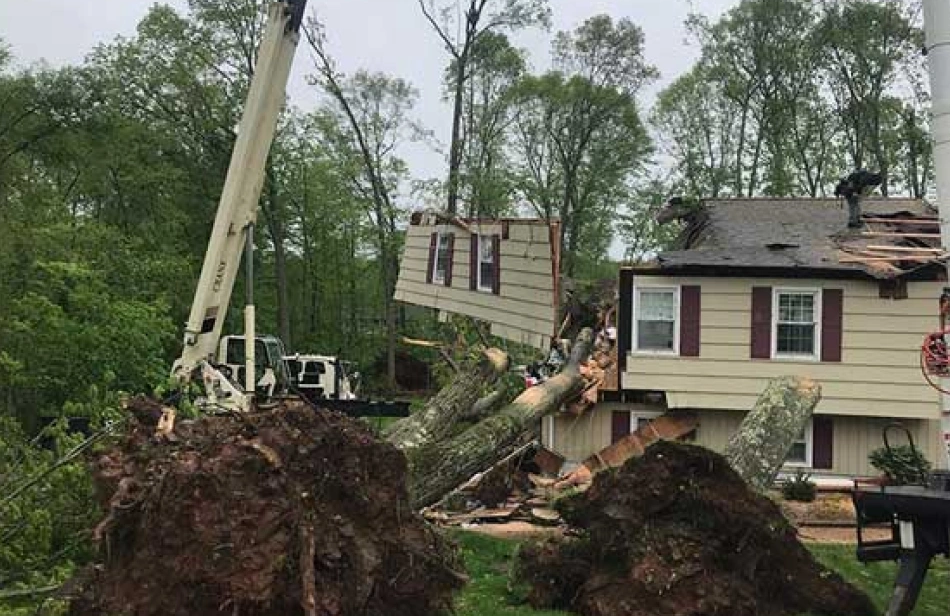
Understanding the Importance of Emergency Storm Damage Services
Storms strike without warning, leaving homes vulnerable to water and structural issues. Reliable emergency storm damage services help homeowners recover quickly by providing the tools, experience, and support needed for rapid storm restoration.
Here is why it matters to contact professionals early:
- Prevents mold and hidden water damage.
- Secures your home from further weather exposure.
- Simplifies insurance claims.
- Restores safety and stability faster.
Once the storm passes, safety comes first.
Step 1: Prioritize Safety Before Anything Else
Before assessing damage, make sure everyone in your home is safe. Avoid areas that look unstable or flooded.
Safety steps to follow:
- Turn off power at the main breaker if water is present.
- Stay away from downed wires and report them.
- If you smell gas, leave the home immediately and call your utility provider.
- Wear gloves and sturdy shoes when walking around damaged areas.
If you suspect serious danger, contact local disaster emergency services right away. Once you know it is safe, begin inspecting your property.
Step 2: Conduct a Visual Inspection of Your Property
After the storm, start with a careful walk around your property. Look for visible damage, but do not climb onto the roof.
Outside, check for:
- Missing or cracked shingles.
- Fallen trees or branches near power lines.
- Broken windows or siding.
- Flooding near your foundation.
Inside, check for:
- Leaking ceilings or wet insulation.
- Warped flooring or stained walls.
- Damp odors that may suggest mold.
Take photos or videos before making repairs. This documentation will help during the insurance claim process.
Step 3: Prevent Further Damage with Temporary Repairs
Temporary fixes can keep things from getting worse until storm damage emergency services arrive.
Simple ways to prevent more damage:
- Tarp the roof if shingles are missing.
- Cover broken windows with plastic sheeting or plywood.
- Move dry furniture and valuables to safe areas.
- Place containers under leaks to collect water.
These actions buy you time until a professional restoration team arrives to handle full repairs.
Step 4: Document Everything for Your Insurance Claim
Insurance claims move faster when you provide clear proof of the damage.
Steps for easy documentation:
- Take photos from multiple angles.
- Save receipts for supplies and temporary repairs.
- Make a written list of damaged areas.
- Record the date, time, and details of the storm.
When you contact your insurance company, give them all your records. At MTX Restoration, we can help simplify this step by offering direct billing to your insurance provider.
Step 5: Contact Professional Emergency Storm Damage Services
Once your home is safe and documented, call for emergency storm damage services. Skilled teams have the tools to uncover hidden moisture, damaged framing, or roof leaks you might not notice.
Professional storm recovery services usually include:
- Emergency roof tarping and board-ups.
- Water extraction and drying.
- Debris removal and sanitization.
- Roof, siding, and window repairs.
- Help with insurance communication.
Quick response and rapid storm restoration can reduce total repair costs and get your home back to normal sooner.
Step 6: Watch for Hidden Water Damage and Mold
Even when things look dry, water can remain behind walls and floors. In Fayetteville’s humid weather, mold can grow within days.
Watch for these warning signs:
- Musty odors or damp air.
- Discoloration on ceilings or walls.
- Peeling paint or swollen wood.
If you notice any of these, contact our Residential Water Cleanup team for professional drying and mold remediation services. We use advanced equipment to remove moisture safely and prevent future growth.
Step 7: Check Electrical and HVAC Systems
Water and electricity never mix. Have all electrical systems checked before turning the power back on.
Here is what to do:
- Hire a licensed electrician to inspect outlets and wiring.
- Replace air filters before using your HVAC system again.
- Ask a professional to clean the system if it was exposed to water.
These checks help prevent long-term safety risks.
Step 8: Remove Debris Safely and Responsibly
Clearing debris is an important part of recovery, but do it carefully.
Debris removal safety tips:
- Wear gloves, long sleeves, and boots.
- Use heavy-duty bags for small debris.
- Keep large or heavy items for professionals to handle.
- Avoid cutting or lifting damaged trees without the right tools.
Our disaster emergency services team can remove fallen trees, repair structures, and restore your property safely.
Step 9: Schedule a Full Home Inspection
After emergency cleanup, have a full inspection done. This ensures no hidden issues remain.
Inspectors will look at:
- Roofs and attics for leaks.
- Foundations for cracks.
- Walls and floors for hidden moisture.
- Gutters and drains for blockages.
Catching small problems early keeps costs lower later.
Step 10: Plan for Future Storm Preparedness
Once your home is secure, prepare for the next storm season.
Simple preparation tips:
- Install surge protectors and a sump pump.
- Trim trees close to your home.
- Keep gutters clean and clear.
- Store important documents in waterproof containers.
- Create an emergency family plan and review it each year.
Being ready now means faster recovery next time.
The Ultimate Emergency Storm Damage Checklist
Quick summary:
- Keep your family safe.
- Check for visible damage.
- Make temporary repairs.
- Record everything for insurance.
- Call for emergency storm damage services.
- Check for hidden water or mold.
- Have electrical and HVAC inspected.
- Clear debris safely.
- Schedule a full inspection.
- Prepare for future storms.
Keep this emergency storm damage checklist handy to protect your home and act quickly after severe weather.
Why Homeowners in Fayetteville, GA Trust MTX Restoration
At MTX Restoration, we have over 32 years of experience helping homeowners recover from storm damage, water leaks, and fire events. Our roots in firefighting and construction drive our commitment to safety, quality, and honesty.
We provide full restoration services for both homes and commercial properties in Fayetteville, GA, including Residential Storm Damage, Commercial Storm Damage, and Fire Damage Restoration. We also work directly with your insurance carrier to make recovery simple.
We proudly offer a 10% upgrade allowance for public service workers and veterans as our way of giving back to the community.
When storms strike, call MTX Restoration at (888) 259-0911 for emergency storm damage services and rapid storm restoration. We are ready 24/7 to restore your property safely and efficiently.
